scientific exploration
14 items
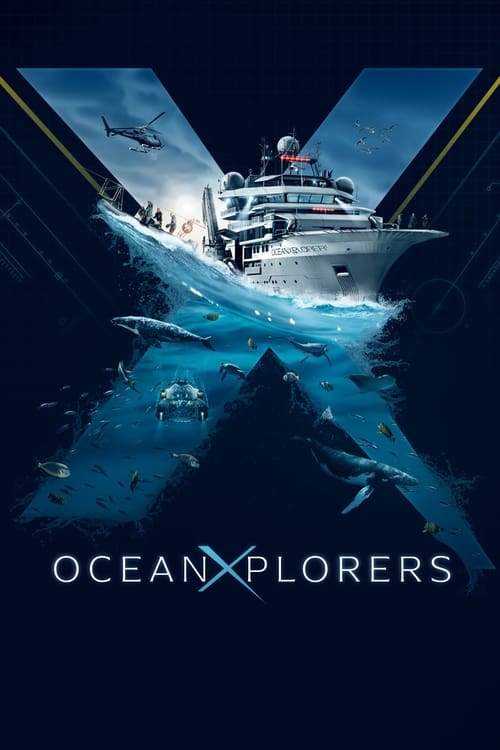
OceanXplorers
Traveling aboard the OceanXplorer, OceanX's state-of-the-art scientific research and exploration vessel, to investigate the farthest frontiers of the world's oceans, 80% of which are entirely unknown. Armed with advanced technology, a hand-picked team of intrepid explorers and scientists, National Geographic Explorers and other ocean experts embark on a global odyssey to solve some of the ocean's greatest mysteries through the lives of its animals and their ecosystems.
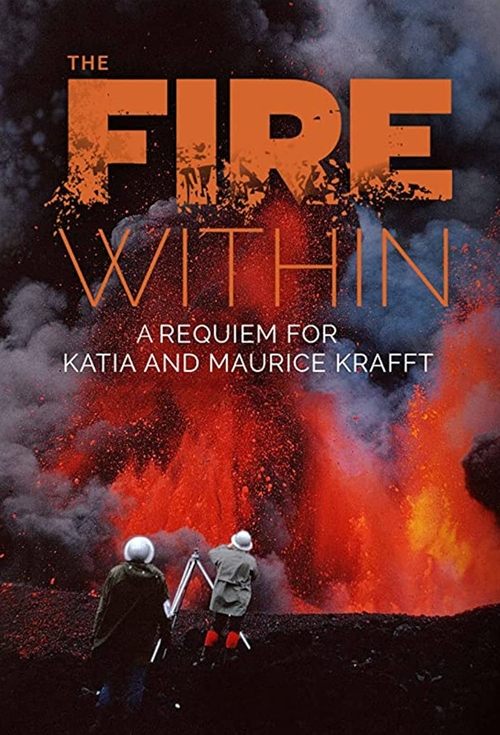
The Fire Within: A Requiem for Katia and Maurice Krafft
Filmmaker Werner Herzog combs through the film archives of volcanologists Katia and Maurice Krafft to create a film that celebrates their legacy.
0 to 9 : The Secret History of Numbers
L'odyssée des chiffres
The history of our modern Indo-Arabic numeral system begins in Mesopotamia, leads through India to the Arab world – and from there around the globe. This three-part series explores how the "Arabic numerals" began their triumphant march and the special role that zero played in this process. From its beginnings to modern computer science – today, numbers are the universal language of the world.

First Flights with Kate Broug
Join pilot and journalist Kate Broug for a global adventure that brings to life the extraordinary individuals and audacious achievements that have defined the world of flight.

Drain the Bermuda Triangle
Infamous disappearances of ships and aircrafts, stories of lives lost — they’re all part of the legend of the 500,000-square-mile expanse of the Atlantic Ocean known as the Bermuda Triangle. In this one-hour special, National Geographic Channel explores the area’s ominous reputation by draining the water from it to see what exactly lies below the surface of the mythical triangle. With the aid of data from sophisticated sonar surveys, see what the ocean floor looks like below the Bermuda Triangle. Witness what strange geological features will be revealed and whether they will shed light on the mysterious occurrences that have been documented within the boundaries of this area of ocean.
Thomas Pesquet : Objectif Mars
French astronaut Thomas Pesquet recently returned from his expedition to the ISS space station - a veritable laboratory of the future where researchers from all over the world work together. During scientific experiments in space, he investigated how long-term missions, such as to Mars, could become possible.
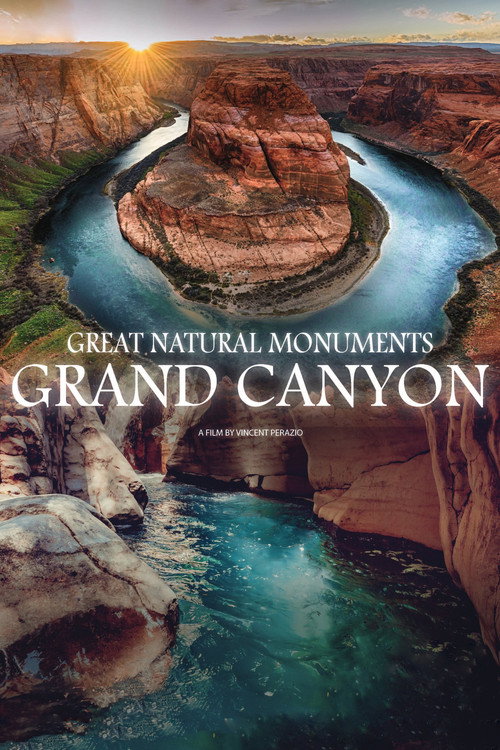
Great natural monuments - Grand Canyon
Grand Canyon - Un voyage au centre de la Terre
The Grand Canyon is a breathtaking natural monument. It's one of the planet’s best-known landscapes, yet we often forget that it tells two billion years of the Earth's history. Geologists Karl Karlström and Laurie Crossey are the leading experts on this. Over the course of 8 days, they descend the Colorado river and tackle hundreds of rapids to unveil the mysteries held in the Grand Canyon, and the place that humans occupy within it.

De l'autre coté de la lune
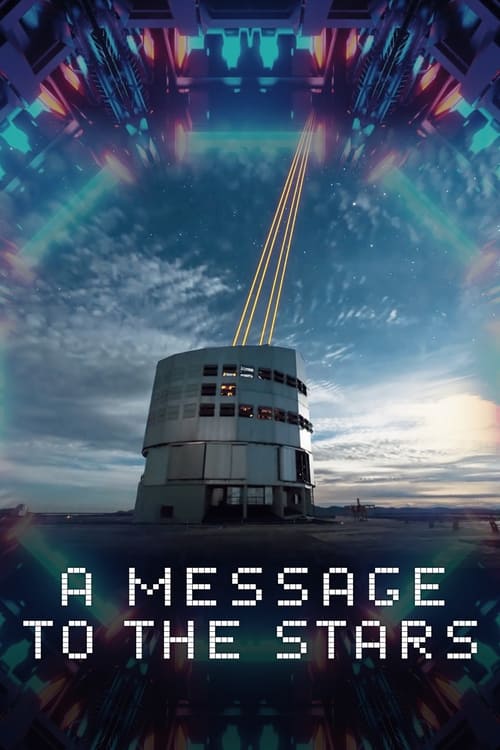
A Message to the Stars
For more than 50 years, we’ve been unsuccessfully searching for any evidence of intelligent extraterrestrial life. But, the discovery of thousands of exoplanets has meant the hope of finding them is higher than ever. If any messages could eventually be decoded and answered in any far, far away star, it could radically transform our consciousness as species and our place in the universe. A message from the stars changes life on Earth… forever.
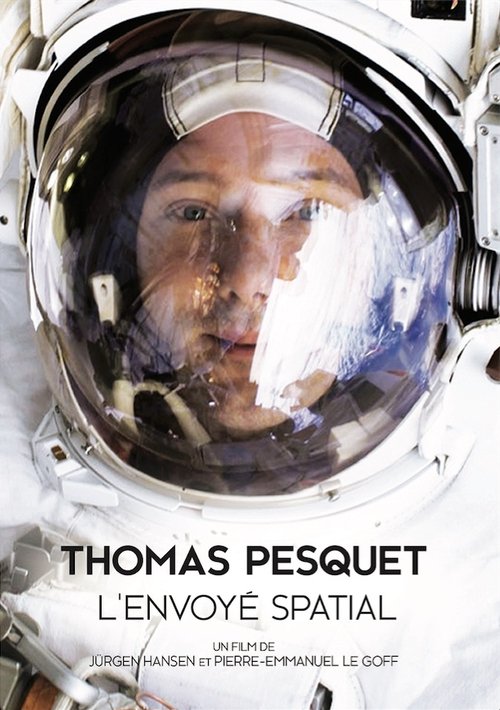
Thomas Pesquet : L'Envoyé spatial
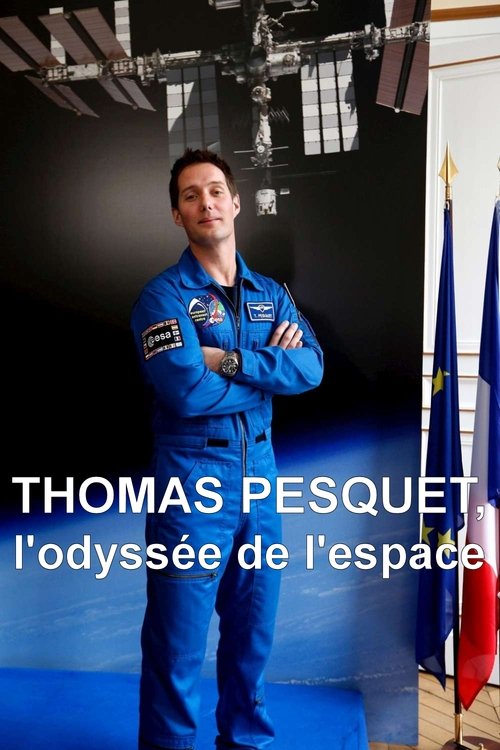
Thomas Pesquet : L'Odyssée de l'espace
For 192 days, Thomas Pesquet filmed his journey in space. He he lived in the ISS (International Space Station) with 5 other astronauts. From this extraterrestrial journey, the 39-year-old French astronaut brings back extraordinary images. Earth, seen from space The images of the earth scroll then, fascinating, despite this observation of the astronaut on pollution and deforestation. He had read the damage before, he now sees it from the ISS. He feels the fragility of the Earth. His weightless images on a soundtrack of quality provoke a surge of beauty, of strangeness, in this slowness propitious to poetry. And the reading of the texts of the two winners of "Le Petit Prince" writing contest, visiting an eighth planet, takes on a whole new dimension in this beautiful production by Julien Adam and Matthieu Besnard produced by Capa Presse TV.
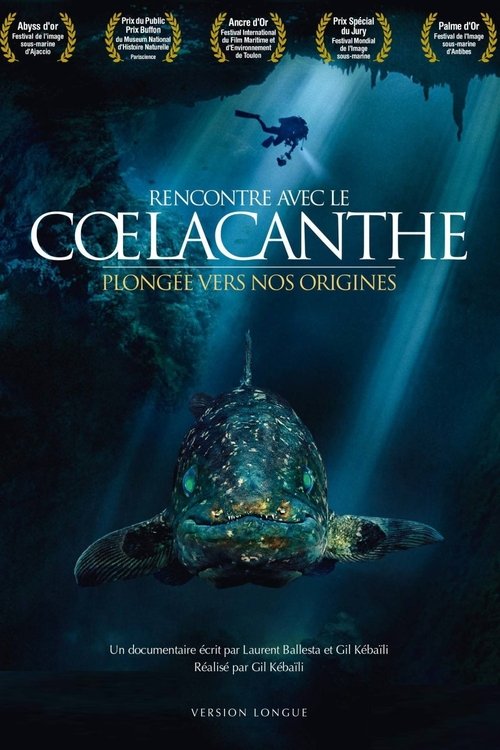
The Coelacanth, a dive into our origins
Le Cœlacanthe, plongée vers nos origines
Gombessa Expedition 1 To dive for the Coelacanth is to go back in time. In 1938, when it was known only as a fossil, a Coelacanth was discovered in South Africa in a fisherman's net. This species bears witness to an evolutionary bifurcation 380 million years ago, and bears the marks of a great event: the day the fish left the ocean for the open air. Does it hold the secret to the transition to walking on land? In 2010, a marine biologist and outstanding diver, Laurent Ballesta, took the first photographs of the Coelacanth in its ecosystem. In April 2013, divers and researchers set down their equipment at the Sodwana base camp in South Africa, in the club founded by Peter Timm (who died in 2014). Six weeks of extreme diving at depths of over 120 meters, in an attempt to film the Coelacanth with a double-headed camera, collect its DNA and tag a subject with a satellite-linked beacon...
Mission Gombessa - Die Jagd nach dem Methusalem der Meere
Notre corps, ce réseau social